Uttarakhand (Rishikesh & Haridwar)
Ashram Paduka Puja
Pilgrims assemble along the banks of the Ganges to wash the feet of revered monks, receive traditional mantra diksha, and study the Brahma Sutras.
पर्व गाइड
A full moon of reverence, honoring the light of wisdom that dispels the darkness of ignorance.
Vyasa Purnima
Guru Purnima honors the spiritual mentors, lineage masters, and teachers who guide seekers along the path of knowledge. Celebrated on the appearance day of Sage Veda Vyasa, disciples rededicate themselves to spiritual study and selfless service.
देवता: Sage Veda Vyasa, Adi Shankara, Lord Dakshinamurthy
This sacred full moon marks the birth of Maharshi Krishna Dwaipayana Vyasa, who compiled the four Vedas, composed the eighteen Mahapuranas, and penned the epic Mahabharata. In yogic lore, it is also honored as the day Lord Shiva, as the Adi Guru, transmitted the science of Yoga to the Saptarishis on the banks of Lake Kantisarovar.
Transcending spiritual blindness through reverence and receptivity to lineage wisdom, honoring the continuous transmission of truth.
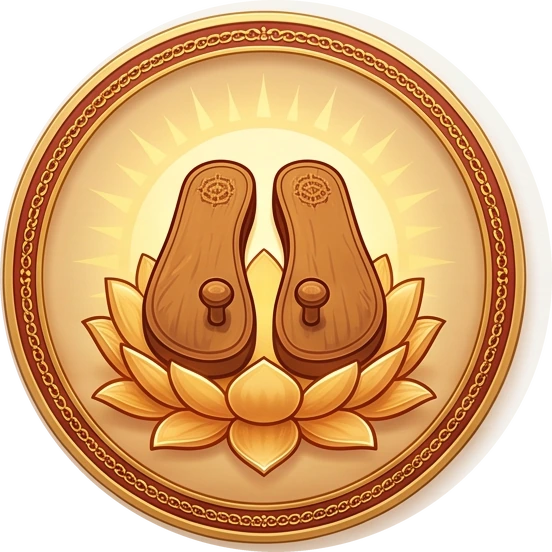
Performing Guru Paduka Puja with chandan, akshat, and fragrant blossoms. Disciples make offerings of fruit, cloth, and gurudakshina, listen to lineage discourses, and chant the Guru Gita.
Ashram Paduka Puja
Pilgrims assemble along the banks of the Ganges to wash the feet of revered monks, receive traditional mantra diksha, and study the Brahma Sutras.
Vyasa Puja
Classical musicians and dancers perform dedication concerts (Guru Vandana) in temples and cultural venues, honoring their masters before beginning new training cycles.
In Sanskrit etymology, 'Gu' signifies the darkness of ignorance and unconscious conditioning, while 'Ru' signifies the light of wisdom that dispels it.
Historically, travelling monks and seekers stayed in one location during the heavy monsoon season for four months, dedicating themselves to continuous spiritual study under their Guru.