Odisha
Kumar Purnima
Young unmarried women wake before sunrise, bathe, and offer fried paddy (Lia) and betel nuts to the rising sun and rising full moon, praying for an ideal and virtuous life partner.
Festival guide
The luminous harvest moon showering sweet nectar, prosperity, and divine love.
Kojagari Purnima · Raas Purnima · Kumar Purnima
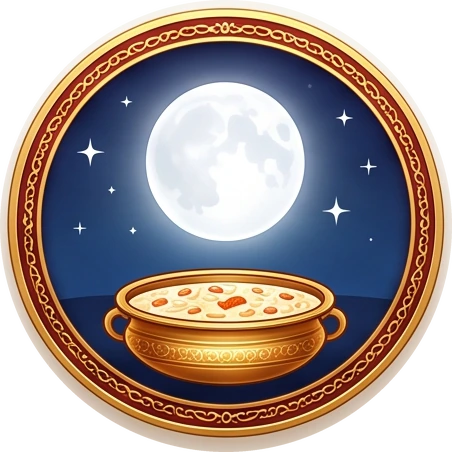
Sharad Purnima is celebrated under the brightest and clearest full moon of the entire year, believed to shower celestial amrita (nectar) upon the earth. Devotees leave sweet milk-rice (kheer) under the moonlight overnight to absorb medicinal rays and pray to Goddess Mahalakshmi during nocturnal vigils.
Deities: Goddess Mahalakshmi, Lord Chandra, Radha-Krishna
In the Srimad Bhagavatam, it was on this autumnal full moon night that Lord Krishna played his enchanting flute in the groves of Vrindavan, expanding into multiple forms to perform the sublime Maha-Raas dance with the Gopis. In Puranic lore, Goddess Lakshmi descends to earth asking 'Ko Jagarti?' ('Who is awake?'), blessing those who remain watchful with lasting abundance.
The awakening of higher consciousness, welcoming spiritual prosperity, and experiencing union between the individual soul and the supreme Divine.
Devotees observe Kojagari Vrata, staying awake through the night (Jagaran) singing hymns to Goddess Lakshmi and Lord Indra. In the morning, the moon-bathed kheer is distributed among family members as healing prasad.
Kumar Purnima
Young unmarried women wake before sunrise, bathe, and offer fried paddy (Lia) and betel nuts to the rising sun and rising full moon, praying for an ideal and virtuous life partner.
Kojagari Lakshmi Puja
Households set up clay idols of Goddess Lakshmi, drawing intricate rice-paste footprints (Alpona) leading into the house from the doorway to invite her presence.
The moon is closest to the earth on this night, and traditional Ayurvedic understanding holds that its rays possess potent cooling, restorative, and therapeutic properties that infuse the kheer.
The Maha-Raas is not a mundane dance but a transcendental expression of selfless love (Prema), where every individual soul (Jivatma) experiences direct, undivided communion with the Supreme (Paramatma).